
features / remembering
what happened is distinct from what was inferred
your journal keeps the audio, what it recognized, its summary and your corrections as separate things. a reading of your day adds to a memory and never rewrites what was said. a correction is yours, and you can take it back.
see it in a journal
meetings and a call from the demo year, layer by layer. each layer is labelled with what wrote it, so which part came from where stays clear.
from a demo journal we wrote: a year in the life of William Shakespeare, 1595, kept on 2025 dates, docudrama style. the whole journal is public, so you can read the days behind these screens.
-
what was saidwritten by transcription, or taken from a file you imported
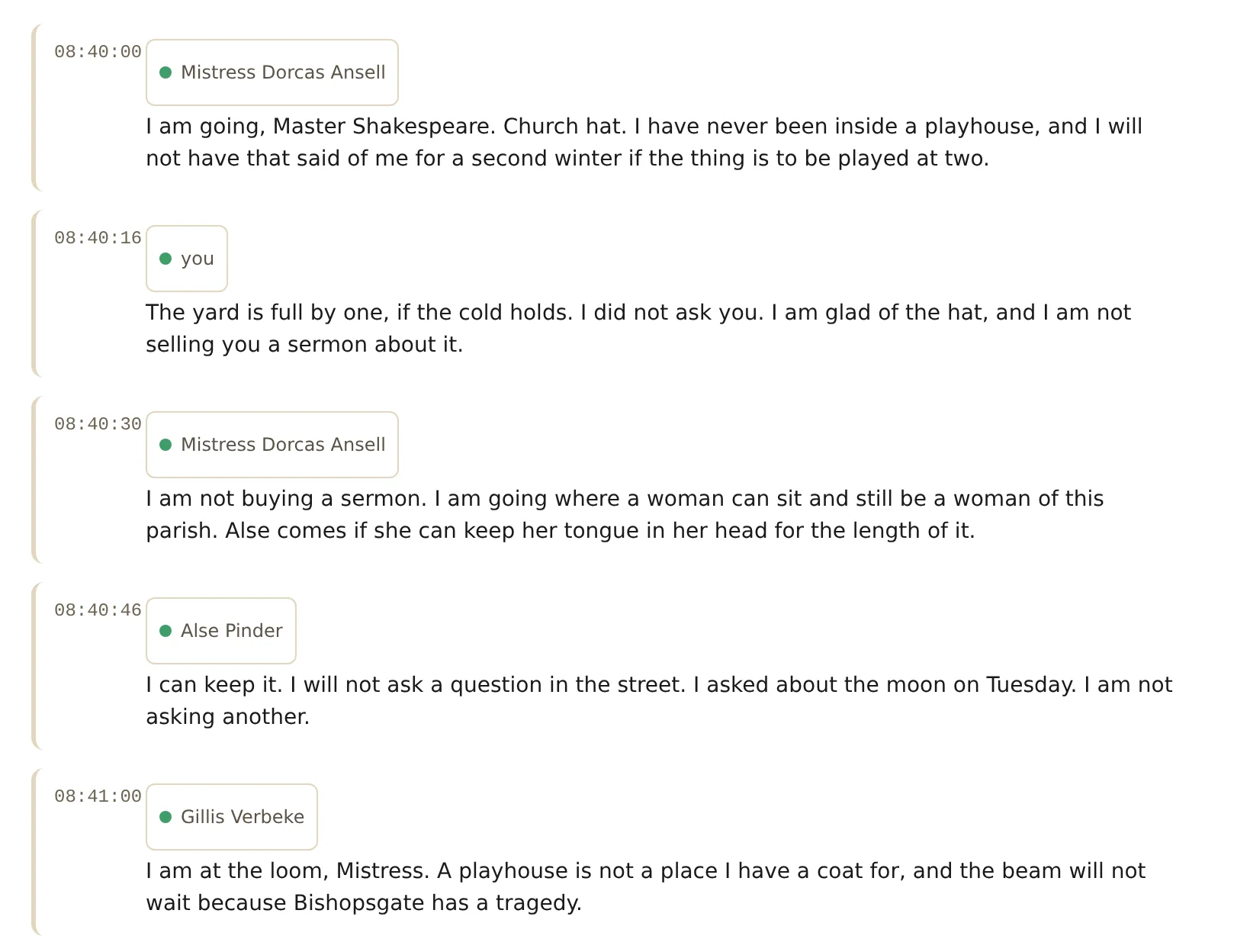
6 december, 8:40. the words, as transcribed. -
who said ityour saved voice first, then who was invited, then voices you've named, and the journal's best guess only for what's left
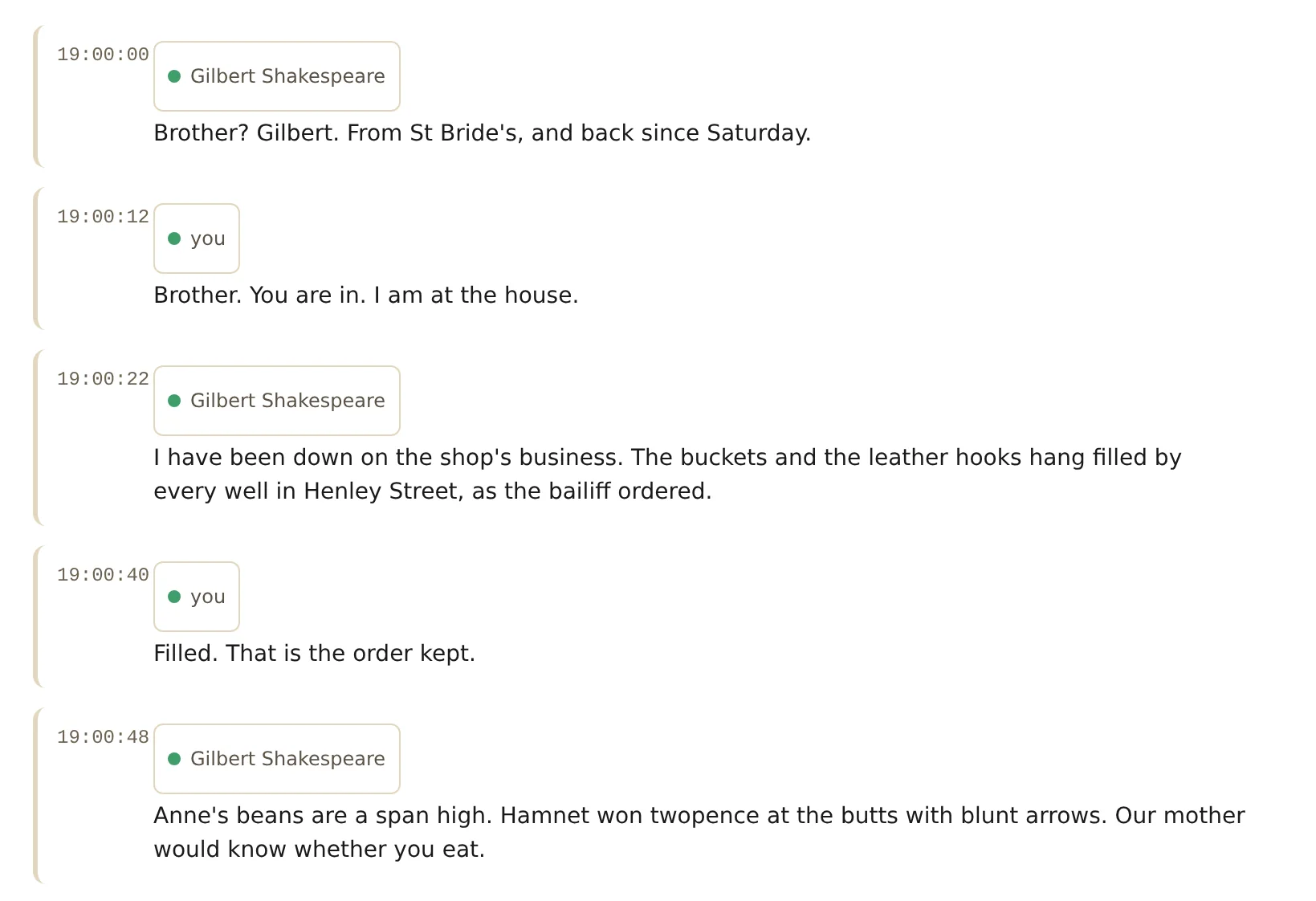
a call with his brother: two voices, each line with its own. -
the journal's summarythe thinking you chose
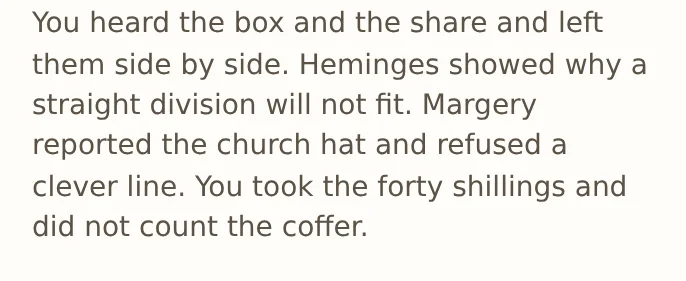
the journal's summary of the afternoon meeting. it sits beside the words and never replaces them. 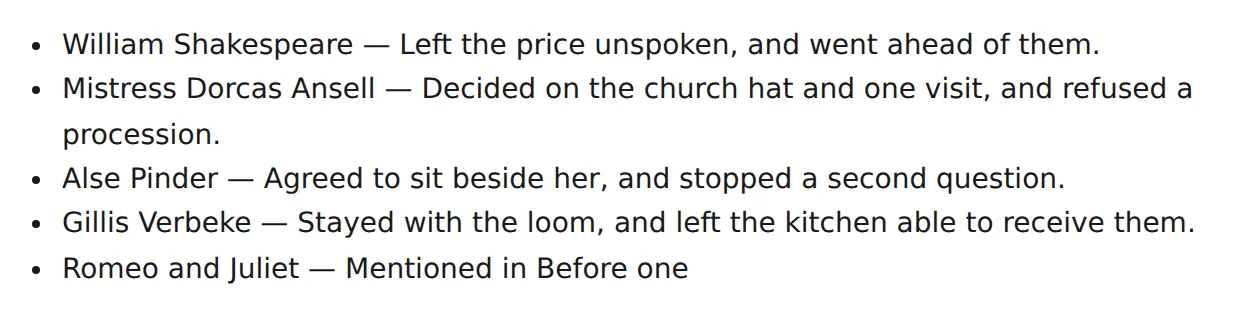
8:40: the names in it, each with a line, written by the journal and kept apart from the words. -
your correctionyou
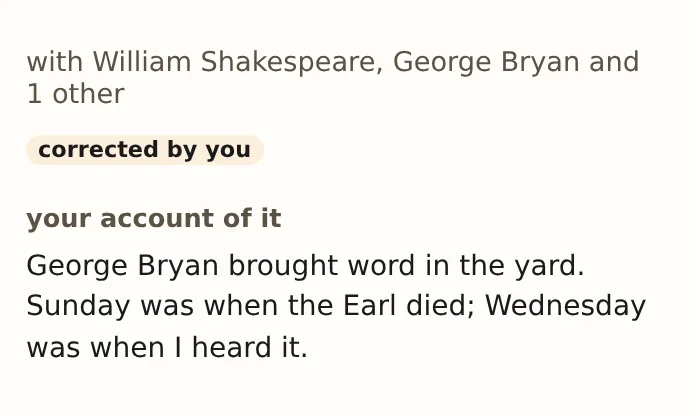
22 october, in your own words, marked corrected by you. the summary, the people and the week follow it, and you can remove the correction later.


the exact account
imported transcripts. the words and times come from the file. a few common layouts are recognized, and anything else comes in whole, marked untimed, rather than given invented times. your journal may add topics and the setting, nothing else.
who spoke. your saved voice first, then context such as who was invited, then voices you've named, and the journal's best guess only for what's left. when two voices are too close, the line stays unnamed. saying who spoke a line applies to that line, and never becomes evidence about the voice.
possible names. a possible name is stored beside the words so search can find the person. the transcript is never changed, and agents see possible names only with permission to read people and places.
quotes. when your journal quotes a passage, code copies the exact text with its place in the source, and any generated notes about it are discarded.
corrections. a correction shows on the activity it changed, and you can remove it from there.
on each device
the same everywhere. this all happens in your journal, so it works the same whichever app took the moment in.
go deeper
text.rshow an imported transcript keeps its own words and timeslayer3.rsandwho_spoke.rswho said what, and why your answer stays with its linepossible-namesnames kept beside the wordsSOURCE_PASSAGES.mdhow a quote is copied exactlyowner_memories.rswhere an agent's notes live